How to Make Seared Feta with Chili Honey Glaze for a Stunning Appetizer
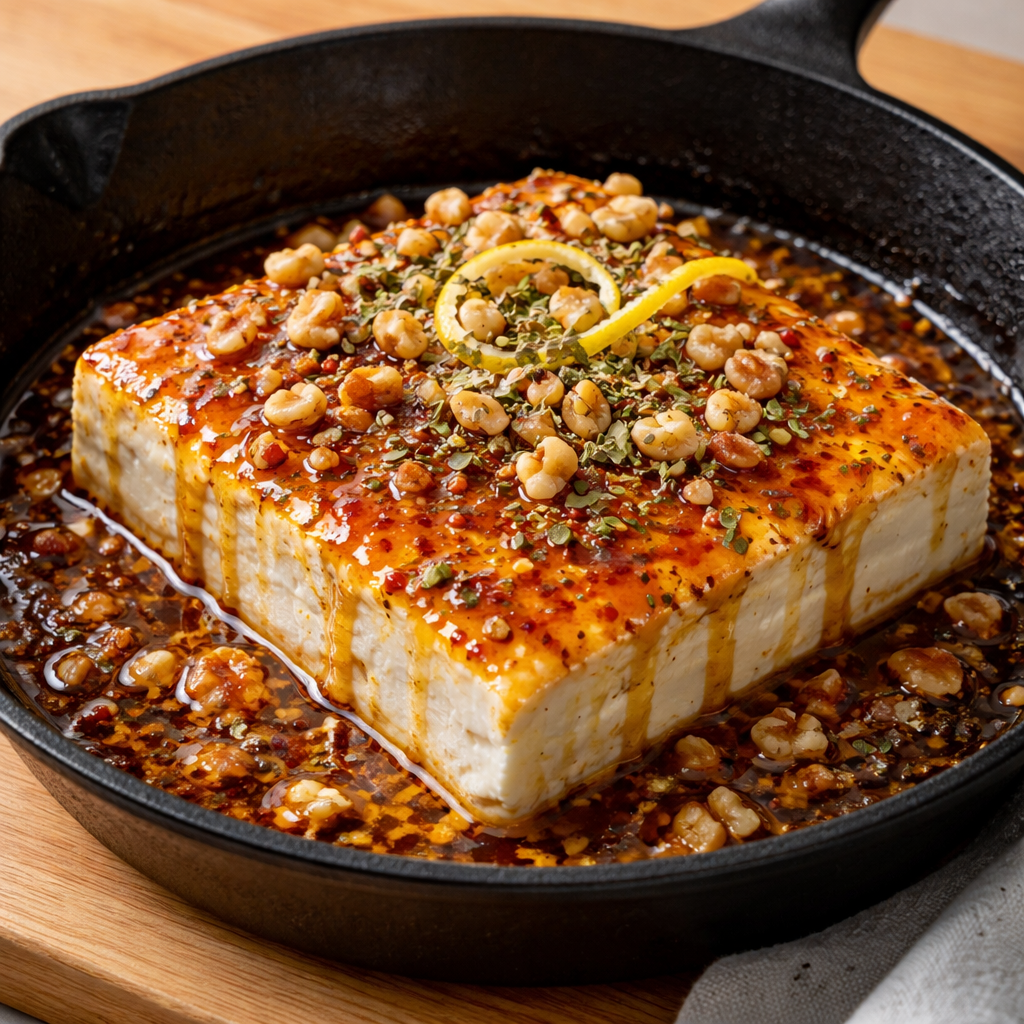
While we have provided a jump to recipe button, please note that if you scroll straight to the recipe card, you may miss helpful details about ingredients, step-by-step tips, answers to common questions and a lot more informations that can help your recipe turn out even better.
My most controversial opinion, right after “stuffing is the only valid Thanksgiving side,” is that a humble block of feta, seared in a skillet and drowned in chili-honey, is the most dramatic thing you can put on a table in under 10 minutes. It is appetizer chaos. It is main-character cheese. It is the dish that makes people hover near the stove pretending to “help” while actually just waiting to rip off another piece of bread and swipe the pan clean.
And yes, it’s literally a block of cheese in a pan. But also? It’s a life choice.
The time my seared feta almost ruined Thanksgiving emotions
Years ago, I brought an hors d’oeuvre to my friend Megan’s “misfit Thanksgiving” — you know, that gathering of people whose families live far away, don’t speak to each other, or insist dinner is at 3 p.m. like that’s not an emotionally violent time of day.
I decided to make this fancy baked cheese thing with filo and herbs and a drizzle of honey. In my mind, it was going to look like something on the cover of a glossy magazine. In reality, I forgot to thaw the filo, panicked, used it frozen, and ended up with a blackened pastry brick that could have doubled as a doorstop. People tried to cut into it. It flaked into dust and shame.
Someone gently slid a tray of store‑bought spinach dip in front of my culinary failure and said, “We’ll just… circle back to this.” We did not circle back.
I went home that night, opened my fridge, saw a lonely block of feta, and thought: what if I just sear the thing, drown it in flavor, and call it a day? No pastry. No stress. No emotional damage.
From disaster to skillet redemption
So I did the opposite of Thanksgiving Filo Tragedy 1.0: I heated a skillet, tossed the feta in like it owed me money, mixed honey, chili flakes, and lemon juice in a mug (because dishes are a scam), poured it on top, and ate the whole thing with torn bread over my sink.
Friends, it was unhinged. Salty, creamy, sticky, spicy, tangy. It tasted like every good cheese board had been boiled down into one loud, glorious bite. The next time I had people over, I skipped the complicated appetizers and served this skillet-seared feta instead, next to a bowl of olives and a pile of warm bread.
They thought I’d “really gone all out” while I was silently thinking: this took less time than making toast. The confidence boost was rude, honestly.
What you actually need for this skillet miracle
Here’s the whole cast of characters for Skillet-Seared Feta with Chili-Honey Glaze:
- 1 block feta cheese (about 7–8 oz; choose the kind in brine if you can)
- 1–2 tablespoons lemon juice (fresh if possible)
- 1–2 tablespoons honey (more if you like things sweeter)
- 1 teaspoon chili flakes (or more, live dangerously)
- 2–3 tablespoons toasted walnuts, roughly chopped
- Olive oil, for searing
- Bread for dipping (crusty baguette, sourdough, pita — whatever makes you happy)
Optional but lovely:
- A sprinkle of dried oregano or thyme
- A few lemon zest curls
- Extra chili flakes on top for drama
Mini-rant: this is one of those recipes where cheap vs. fancy does not matter as much as you think. Feta from Trader Joe’s? Fantastic. The big tub from Costco? Love it. That super-fancy feta from the cheese counter that costs as much as a small plant? Also great, but honestly save that for when you’re not going to blast it in a blazing skillet.
If you like stocked‑up pantry magic, you’ll probably also fall hard for something like this simple, shareable appetizer situation that lives in the same “effortless but impressive” category.

Cooking Unit Converter:
Because sometimes your favorite aunt’s recipe is in cups, your pan is in chaos, and your brain is in grams, this handy tool keeps all your measurements from turning into a math exam.
Exactly how to sear this feta without spiraling
Heat the skillet.
Put a nonstick or well-seasoned skillet over medium heat and add a thin slick of olive oil. Let it get warm, not screaming hot. If the oil is smoking, you’ve gone too far; we’re searing, not exorcising demons.Dry and sear the feta.
Pat the block of feta dry with a paper towel (very important — wet feta splatters and cracks). Gently place it in the skillet. Let it sit there, untouched, for 2–3 minutes until the bottom turns golden and slightly crisp. If you poke it every 10 seconds, it will resent you and crumble, so… hands off.Flip with courage.
Use a thin spatula to carefully flip the feta. If it cracks a bit, congratulations, you’ve made it rustic. Let the second side sear for another 2–3 minutes until golden. You should start to see the edges get soft and melty, but the block should mostly hold its shape.Mix the chili-honey glaze.
While the feta sizzles, stir together the lemon juice, chili flakes, and honey in a small bowl (or honestly, a mug, live your truth). Taste it: too sweet? Add more lemon. Too tart? More honey. Want to sweat a little? More chili.Glaze the feta.
During the last minute of cooking, pour the glaze right over the feta in the skillet. It will bubble and thicken as it hits the heat, coating the cheese in a sticky, glossy, slightly spicy jacket. Tilt the pan and spoon some of that lava-sauce back over the top.Finish with walnuts and serve.
Turn off the heat. Scatter toasted walnuts on top, maybe a pinch of extra chili flakes and a little lemon zest. Bring the skillet straight to the table (on a trivet, please, this is not a hospital‑bills recipe) and serve immediately with bread for dipping and swiping through all that molten cheese and chili-honey goodness.
What I learned the hard way: high heat makes the outside burn before the inside softens. Medium heat, a little patience, and dry feta are the keys. I’ve rushed it; I have regrets.

Why I keep coming back to recipes like this
I grew up in a world where “appetizers” meant a veggie tray from the grocery store and maybe a block of cheddar if someone was feeling wild. So now, as a fully grown chaos adult, there is something healing about putting a skillet of warm, fragrant, slightly over-the-top cheese down in the middle of a table and watching people gather around it like moths to a salty, honey-glazed flame.
Cooking like this — simple, shareable, tear‑off‑a-piece-of-bread-and-dive-in — feels like the antidote to the perfectionism that ruined so many holidays for me growing up. No carving theatrics, no “who made this?” interrogation, no performance. Just: here’s something warm and good; eat with your hands; stay awhile.
The night the feta saved girls’ night
One Friday, I had friends coming over, I was exhausted, and my brain said, “You promised snacks.” I opened the fridge: half a lemon, a somewhat-questionable cucumber, and a block of feta staring at me like, “Well?”
Five minutes later, this skillet-seared feta was on the coffee table next to a random bowl of crackers and some olives. We tore bread, dunked, gossiped, and somehow ended up planning a whole future vacation. When one friend said, “You’re really spoiling us,” I looked at the feta, looked at the skillet, and thought: if only you knew this took less effort than assembling a charcuterie board I saw on that intimidating cheese-platter tutorial.
Frequently Asked Questions:
You can, in the same way you can eat shredded cheese straight from the bag over the sink (no judgment), but it won’t sear into that gorgeous golden slab — it’ll just melt into chaos; get a block if you can, even the inexpensive brined ones do wonders.
Totally fine — start with a tiny pinch of chili flakes, or swap them for smoked paprika if you’re more “gentle warmth” than “set my soul on fire”; you still get the salty-sweet magic without the sweat mustache.
This is a “right now” food, like fries or gossip; you can mix the glaze and toast the walnuts ahead, but sear the feta just before serving so it stays melty, not cold and rubbery like leftover office pizza.
Then you have skillet feta dip, which frankly still slaps — just keep cooking, pour on the chili-honey, swirl it a bit, and call it rustic; nobody has to know the plan was anything different.
Warm pita, crackers, sliced cucumbers, roasted veggies, or tucked next to a big salad — I once used leftovers over roasted carrots inspired by a recipe kind of like this simple sheet-pan situation
I’m going to be brave and stop talking now before I start writing sonnets about honey and brined cheese. Just know this: the next time you have people coming over, or you’re standing in front of the fridge in your softest pajamas wondering what on earth to eat that isn’t cereal, this skillet-seared feta is sitting there like, “Tag me in.” Ten minutes, one pan, zero filo trauma. That’s the energy we deserve.
Daily Calorie Needs Calculator:
If you’re curious how this gloriously cheesy moment fits into your overall day, this calculator helps estimate how many calories your body generally needs.

Skillet-Seared Feta with Chili-Honey Glaze
Ingredients
Method
- Heat a nonstick or well-seasoned skillet over medium heat and add a thin slick of olive oil.
- Pat the block of feta dry with a paper towel. This is important to avoid splattering.
- Gently place the feta in the skillet and sear for 2–3 minutes until the bottom is golden and slightly crisp.
- Flip the feta carefully with a thin spatula and sear the other side for another 2–3 minutes until golden.
- Meanwhile, stir together the lemon juice, chili flakes, and honey in a small bowl.
- Adjust sweetness and spiciness to your liking.
- During the last minute of cooking, pour the glaze over the feta in the skillet and let it bubble and thicken.
- Once done, scatter toasted walnuts on top and add any optional garnishes.
- Serve immediately with bread for dipping.