Velvety Vanilla Cake Recipe: Delicious Dessert and Cake Recipe
While we have provided a jump to recipe button, please note that if you scroll straight to the recipe card, you may miss helpful details about ingredients, step-by-step tips, answers to common questions and a lot more informations that can help your recipe turn out even better.
My strongest belief in the universe — besides the sanctity of good butter and the unspoken rules of a Thanksgiving casserole swap — is that something warm unfolding in the oven has the power to rewrite your day (and your life, slightly). Also: cake is therapy.
If you’ve ever swooned over light frosting that tastes like a cloud, you understand the stakes here.
How I turned a family holiday into a smoke alarm symphony
I was twenty-nine, bold, and decided velvet cake needed to be elevated with “pantry improvisation” — which is chef code for: I used things I shouldn’t have. The result was a dense slab that could double as a doorstop and a Thanksgiving kitchen filled with very loud opinions (from my aunt Carol). I learned two things: do not substitute hot water with coffee unless you’re auditioning for a bitter modern art piece, and always preheat the oven properly.
There was also a cranberry-sauce-splash incident that stained my best flannel. Remember the lemon bars disaster of 2021? Let’s not repeat that. I still laugh (and wince) thinking about the way my nephew declared the cake “charming but confused.” Fair.
Let’s bake something forgiving
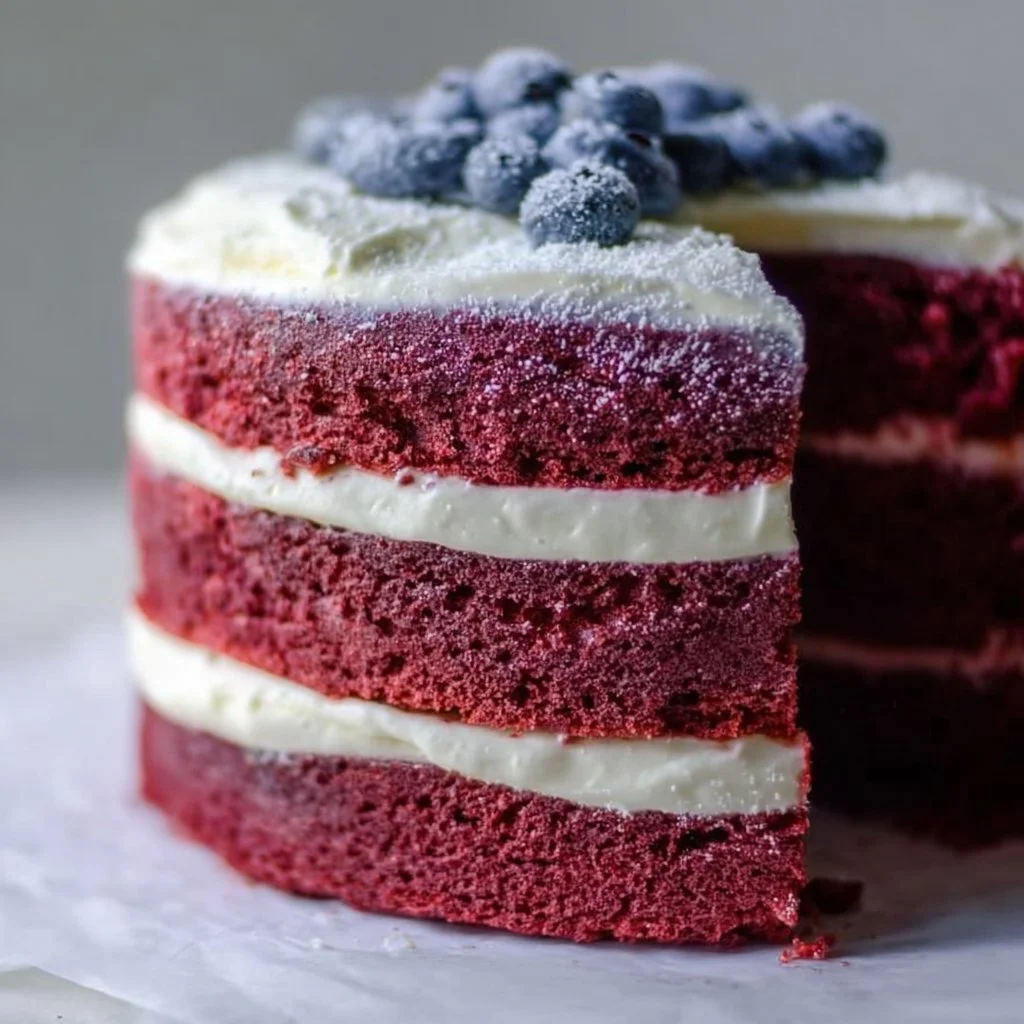
ANYWAY, before I emotionally relive the entire event and start a podcast called “Burnt Offerings,” here’s what actually works: tender crumb, velvety texture, and a warmth that sneaks into your chest when you cut into it. This is not a show-off cake. It’s the cake that sits on the counter and everyone sneaks a slice off the plate, mission accomplished.
Pantry peace — the ingredient roster (simple, not bougie)
- 2 1/2 cups all-purpose flour
- 1 1/2 cups granulated sugar
- 1 cup buttermilk (or make a quick swap with milk + lemon juice)
- 1/2 cup unsalted butter, softened
- 2 large eggs, room temp
- 2 tbsp cocoa powder (for color depth, not chocolate overload)
- 1 tsp baking soda, 1 tsp baking powder, 1/2 tsp salt
- 1 tsp vanilla extract
- 1/2 cup sour cream (for that melt-in-your-mouth crumb)
Mini-rants: You don’t need to cry into artisanal flour. Trader Joe’s AP flour is a neutral hero and Aldi often hides gems (I stalk their baking aisle like it’s a hobby). Fancy extracts are lovely, but vanilla from the grocery aisle will not ruin Thanksgiving.
Also: if you like citrus brightness, check out my take on an orange cake that sings — it’s like sunshine in slice form.
Quick unit sanity check — for when you blink and a cup becomes a catastrophe
If you need to swap cups for grams or ounces for chaos, this converter will do the heavy lifting so you can focus on the important stuff: butter softening.
Technique: what I learned the hard (but delicious) way
I don’t do rigid step-by-steps here because life (and batter) never behaves. Instead: whisk, don’t wage war; fold with intention; and taste curiosity, not raw batter (I’m talking to myself). Here’s the short list of gestures and scars:
- Cream the butter and sugar until it’s like a soft whisper, not a train wreck. Your arm will thank you.
- Add eggs one at a time — dramatic, yes, but it helps the emulsion.
- Alternate dry and wet ingredients; think rhythm, not refrigeration.
- Don’t overmix once the flour hits the party — gluten is clingy.
- Bake until a toothpick comes out with a few moist crumbs; overbaking is the culinary equivalent of ghosting.
Also, pro tip learned after Too Many Trials: let the cake cool in the tin for ten minutes, then free it to a rack. Patience is the underappreciated spice. If you’re wondering about rolling or layering techniques, I occasionally take inspiration from my guilty-pleasure experiments with carrot cake rolls that had identity crises — brilliant for when you want swirl drama.
Why this matters: cooking as memory and ritual
Baking is how I tether myself to people I love. The smell of butter and sugar is basically a teleportation device back to my mom’s kitchen, where pumpkin pie was non-negotiable and the dog judged every fallen crumb. Food tells stories — the sloppy, imperfect ones — and that’s why I bake: to make new memories and to give my neighborhood something to gossip about (nicely).
Tiny courtroom anecdote
My neighbor once brought over a “mystery glaze” for my cake and called it “experimental.” It was a glaze of commitment: equal parts ambition and sugar, and 100% not labeled. We ate it anyway. Judge me. I will plead delicious.
Let’s clear up the chaos: FAQs in a messy, honest voice
Yes — you can bake it the day before and wrap it gently; the flavor actually settles into a calmer, wiser version of itself (unlike me at 2 a.m.).
Totally. Wrap slices tightly and freeze; thaw in the fridge overnight. Pro tip: defrosted cake loves a minute in a low oven to regain dignity.
You can swap dairy with plant-based options but expect a tiny personality shift. Gluten-free flours work, but treat them like delicate houseplants — with care.
Chill the cake layers before frosting. Cold layers = fewer sliding crimes. Also: less frosting between layers equals less temptation to rearrange the whole thing.
Syrup. Yes, a simple syrup brushed on the crumb saves many relationships. Also, check your oven temperature — that little dial is sneaky.
Okay, I’ll stop monologuing. This cake doesn’t need a sermon — it needs an oven, a forgiving friend, and maybe a neighbor with a “mystery glaze.” Go bake something that makes your kitchen smell like home. Trust me. (Also, please don’t text me at 3 a.m. about your frosting meltdown; expect a sympathetic emoji and a recipe tweak.)
Need a calorie reality check? Use this quick calculator
Pop in your details to estimate daily needs and plan portions without losing your dessert soul.
Velvety Vanilla Cake
Ingredients
Method
- Preheat your oven to 350°F (175°C). Grease and flour two 9-inch round cake pans.
- In a large bowl, cream together the softened butter and granulated sugar until light and fluffy.
- Add eggs one at a time to the butter mixture, ensuring full incorporation before adding the next egg.
- In a separate bowl, mix the dry ingredients together: all-purpose flour, cocoa powder, baking soda, baking powder, and salt.
- Alternately add the dry and wet ingredients (buttermilk, sour cream, and vanilla) to the butter mixture, beginning and ending with the dry ingredients. Mix gently until just combined.
- Pour the batter evenly into the prepared cake pans and smooth the tops.
- Bake in the preheated oven for 25-30 minutes, or until a toothpick inserted in the center comes out with a few moist crumbs.
- Let the cakes cool in the pans for about 10 minutes, then remove from the pans and transfer to a wire rack to cool completely.
- Frost with your favorite frosting once completely cool. Enjoy the cake as a delightful treat!