Eggplant Casserole Recipe
While we have provided a jump to recipe button, please note that if you scroll straight to the recipe card, you may miss helpful details about ingredients, step-by-step tips, answers to common questions and a lot more informations that can help your recipe turn out even better.
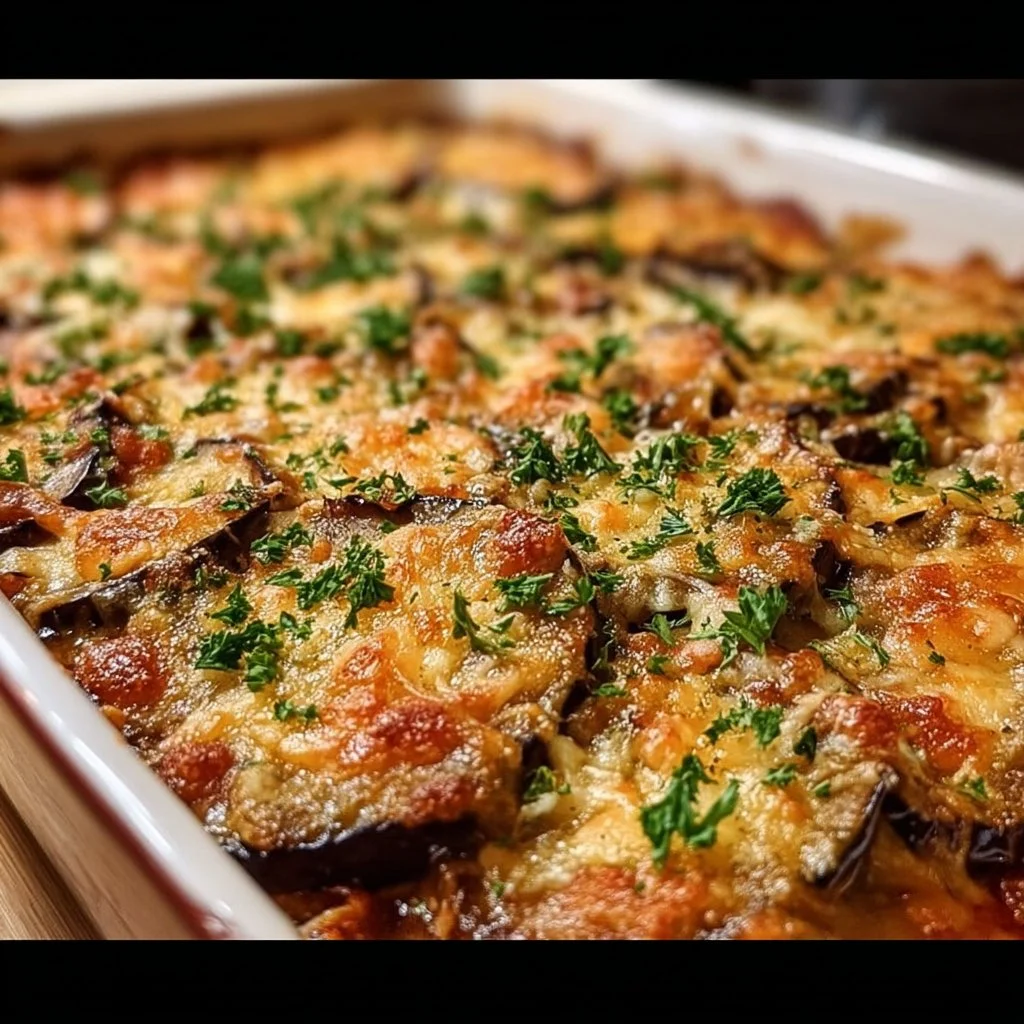
My strongest belief in the universe — besides the importance of good butter and the unspoken rule that casseroles earn applause — is that this eggplant casserole needs a tiny throne in your oven. It’s cozy, it’s saucy, it’s the kind of dish that will make your neighbor beep their horn in friendly jealousy. Also, if you fall down the rabbit hole for dessert after (don’t be me), my neighbor swears that savory pineapple casserole is shockingly delightful.
How I single-handedly sabotaged Thanksgiving but learned to love eggplant
Once, I decided to bring something “different” to Thanksgiving because apparently I’m allergic to doing the same thing twice. The result: a charcoal-adjacent pie and my aunt’s passive-aggressive “oh that’s… interesting” face forever etched in my brain. Enter eggplant casserole — which, unlike that pie, has the decency to be forgiving. It doesn’t demand perfection. It accepts burnt edges, impromptu spice swaps, and emotional oven-checking (yes, I tap a casserole like I’m checking a baby’s forehead).
Also, confession: I used to avoid eggplant because of the lemon-bars-disaster-of-2021 (don’t ask). But this dish? It’s basically redemption in layers. Bring a fork.
Okay, snap back to the recipe before I spiral into grocery store PTSD
ANYWAY, before I emotionally relive a decade of kitchen misadventures — here’s the deal: this casserole is tomato-forward, soft-but-structured, and holds together like your weird friend who somehow makes rent every month. It’s layered, cheesy, and smells like a hug.
Shopping list + my hot takes (Ingredients)
- Eggplant: 2 large eggplants are the star of the show. Look for firm, heavy eggplants with smooth, unblemished skin. Globe or Italian eggplants are ideal for this recipe due to their size and meaty texture. Smaller varieties like Japanese or Fairy Tale eggplants can also be used, but you may need to adjust the quantity accordingly to achieve the desired volume.
- Olive Oil: 1 tablespoon of extra virgin olive oil is used for sautéing the vegetables. Olive oil not only adds flavor but also helps in browning the onions and garlic beautifully. You can substitute with another neutral cooking oil like avocado oil or grapeseed oil if preferred.
- Onion: 1 medium yellow onion, finely chopped, forms the aromatic base of the sauce. Yellow onions offer a balanced flavor that sweetens as they cook. White or red onions can also be used, each bringing a slightly different flavor profile. White onions are milder, while red onions have a sharper, more pungent taste.
- Garlic: 2 cloves of garlic, minced, add a pungent and savory depth to the sauce. Fresh garlic is always recommended for the best flavor. If you’re using pre-minced garlic, use about 1 teaspoon. For an even more intense garlic flavor, you can add an extra clove.
- Red Bell Pepper: 1 medium red bell pepper, chopped, contributes sweetness and a vibrant color to the casserole. Red bell peppers are sweeter than green bell peppers and add a lovely visual appeal. You can experiment with other colors like yellow or orange bell peppers for a slightly different taste and visual variation.
- Crushed Tomatoes: 1 can (28 ounces) of crushed tomatoes forms the base of the rich and flavorful tomato sauce. Using good quality crushed tomatoes is key to achieving the best taste. You can also use diced tomatoes or tomato puree if crushed tomatoes are not available, but adjust the cooking time to achieve a similar consistency. Fire-roasted crushed tomatoes can add a smoky depth of flavor.
- Dried Oregano: 1 teaspoon of dried oregano adds a classic Mediterranean herb flavor that complements the eggplant and tomatoes perfectly. If you have fresh oregano, you can use about 1 tablespoon, finely chopped, for a brighter flavor.
- Dried Basil: ½ teaspoon of dried basil enhances the aromatic profile of the sauce with its slightly sweet and peppery notes. Similar to oregano, fresh basil can be used as a substitute – use about 1 ½ teaspoons of fresh basil, finely chopped, for a more vibrant flavor.
- Salt and Pepper: To taste. Salt and freshly ground black pepper are essential for seasoning and enhancing the flavors of all the ingredients. Start with about ½ teaspoon of salt and ¼ teaspoon of pepper and adjust to your preference. Taste and season throughout the cooking process.
- Ricotta Cheese: 1 cup of whole milk ricotta cheese provides a creamy and slightly tangy layer to the casserole. Whole milk ricotta is recommended for its richer flavor and texture. Part-skim ricotta can also be used, but it might be slightly drier. For a smoother ricotta, you can drain any excess liquid by placing it in a fine-mesh sieve lined with cheesecloth for about 30 minutes.
- Grated Parmesan Cheese: ½ cup of grated Parmesan cheese adds a salty, nutty, and umami-rich flavor to the ricotta mixture. Freshly grated Parmesan cheese is always preferable for its superior taste and texture. Pre-grated Parmesan can be used for convenience, but the flavor will be less intense. Pecorino Romano cheese can be used as a substitute for a sharper, saltier flavor.
- Fresh Parsley: ¼ cup of chopped fresh parsley is used to brighten up the ricotta mixture and add a fresh, herbaceous note. Flat-leaf parsley (Italian parsley) is recommended for its stronger flavor compared to curly parsley. Other fresh herbs like basil or chives can be used as alternatives or additions.
- Shredded Mozzarella Cheese: ½ cup of shredded mozzarella cheese is used as a topping, providing a melty, gooey, and slightly milky flavor. Low-moisture part-skim mozzarella is a good choice for casseroles as it melts well without becoming too watery. Fresh mozzarella can also be used, but it will release more moisture. For a richer flavor, you can use whole milk mozzarella or a blend of mozzarella and provolone.
Mini-rant: buy decent tomatoes. Don’t skimp on quality here — Trader Joe’s canned tomatoes are a comfort buy; Aldi has steals if you’re hunting deals (I stalk the pasta aisle like it’s a Costco romance). Fancy parm? Great. Pre-grated? Also fine if life is real.
Cooking Unit Converter: quick help with measures
If you need to swap cups for grams or Fahrenheit for Celsius, this tool saves arguments and tears.
How this casserole actually comes together (not step-by-step — it’s my brain)
I will not pretend this section is neat. It’s messy and comforting. Start by preheating your oven to 375°F (190°C). This ensures the oven is at the right temperature for even baking. While the oven is preheating, prepare the eggplants. Wash the eggplants thoroughly under cold water and pat them dry. Trim off the stem ends. Slice the eggplants crosswise into ½-inch thick rounds. Place the eggplant slices in a single layer on a large baking sheet or cutting board. Generously sprinkle both sides of the eggplant slices with salt. This crucial step, known as “drawing out moisture,” helps to remove excess water from the eggplant, preventing it from becoming soggy during baking and also reducing any potential bitterness. Let the salted eggplant slices sit for at least 20 minutes, or up to 30 minutes. You’ll notice moisture beads forming on the surface of the eggplant. After the resting time, pat the eggplant slices thoroughly dry with paper towels to remove the excess moisture and salt.
While the eggplant is resting, prepare the sauce base. Heat 1 tablespoon of olive oil in a large skillet or Dutch oven over medium heat. Once the oil is shimmering, add the chopped onion and cook, stirring occasionally, until softened and translucent, about 5-7 minutes. Softening the onions at this stage releases their sweetness and creates a flavorful foundation. Add the minced garlic and chopped red bell pepper to the skillet. Cook, stirring frequently, for another 3 minutes, until the garlic is fragrant and the bell pepper is slightly softened. Be careful not to burn the garlic; it should be fragrant, not browned. Cooking the bell pepper at this stage helps to soften it and release its sweetness, complementing the other vegetables. Pour the can of crushed tomatoes into the skillet with the sautéed vegetables. Stir in the dried oregano and dried basil. Season with salt and pepper to taste. Start with about ½ teaspoon of salt and ¼ teaspoon of black pepper, and adjust to your liking as you taste the sauce later. Bring the tomato sauce to a simmer over medium heat. Once simmering, reduce the heat to low and cook, uncovered, for 10 minutes, stirring occasionally. Simmering the sauce allows the flavors to meld together and deepen, creating a richer and more complex sauce. Taste the sauce and adjust seasoning as needed. You might want to add a pinch of sugar if the tomatoes are particularly acidic.
Also: while the casserole bakes, consider making a tiny comfort bake for yourself — like these easy banana bread mini muffins — because multitasking is how we cope.
Assemble, bake 30–35 minutes until bubbly and golden, rest 10–15 minutes, then dive in (slowly, I know).
Why this matters to me (emotional aside)
Food is where my family stories live. My mom’s hands in the kitchen, my neighbor’s burnt cookie apology bouquets, the way the whole block smelled like sage on Thanksgiving — cooking is how I remember who I am and who I come from. This casserole is a patchwork of small traditions that became mine.
Micro-anecdote: the one-pan panic
I once tried to make this casserole in a single pan and set off the smoke alarm, which then convened the entire building. Five people, two potted plants, one very embarrassed me. We ate it anyway. It was perfect.
Hot, messy FAQs (because you will ask them)
You can, but your casserole will be soggier and a bit less confident. Salting is the HP sauce of texture control.
Yes — toss in cooked lentils or chickpeas into the sauce. I won’t judge if you want to add a sad-looking turkey alternative, but I will raise an eyebrow.
Absolutely. Assemble and refrigerate up to 24 hours before baking. It’s great for the “I forgot to bring something” energy of potlucks. Also, it reheats like a champ.
Salt the eggplant, drain ricotta if it’s watery, and don’t use fresh mozzarella unless you want a moat. Pre-bake eggplant if you’re paranoid (same).
Cheese fixes a lot. Also, serve it with garlic bread and tell them it’s “gondola pasta” — branding works wonders.
Okay, I’ll stop. Eat the casserole hot, pretend it was effortless, and accept compliments with the dignity of someone who briefly considered microwaving dinner. You did this. You are a kitchen hero. Now go text three people to come over.
Daily Calorie Needs Calculator: quick check for your meal planning
Use this to estimate daily calorie needs if you’re tracking portions or planning to justify second helpings.
Eggplant Casserole
Ingredients
Method
- Preheat the oven to 375°F (190°C).
- Wash and slice the eggplants into ½-inch thick rounds. Sprinkle both sides with salt and let sit for 20-30 minutes to draw out moisture.
- Pat the eggplant dry with paper towels.
- In a large skillet, heat olive oil over medium heat. Add chopped onion and cook until softened, about 5-7 minutes.
- Add minced garlic and chopped bell pepper, cooking for another 3 minutes until fragrant.
- Pour in crushed tomatoes, and stir in oregano and basil. Season with salt and pepper to taste. Simmer for 10 minutes.
- Layer the eggplant slices in a baking dish, top with the sauce, ricotta mixture, and shredded mozzarella.
- Bake for 30-35 minutes until bubbly and golden.
- Let it rest for 10-15 minutes before serving.