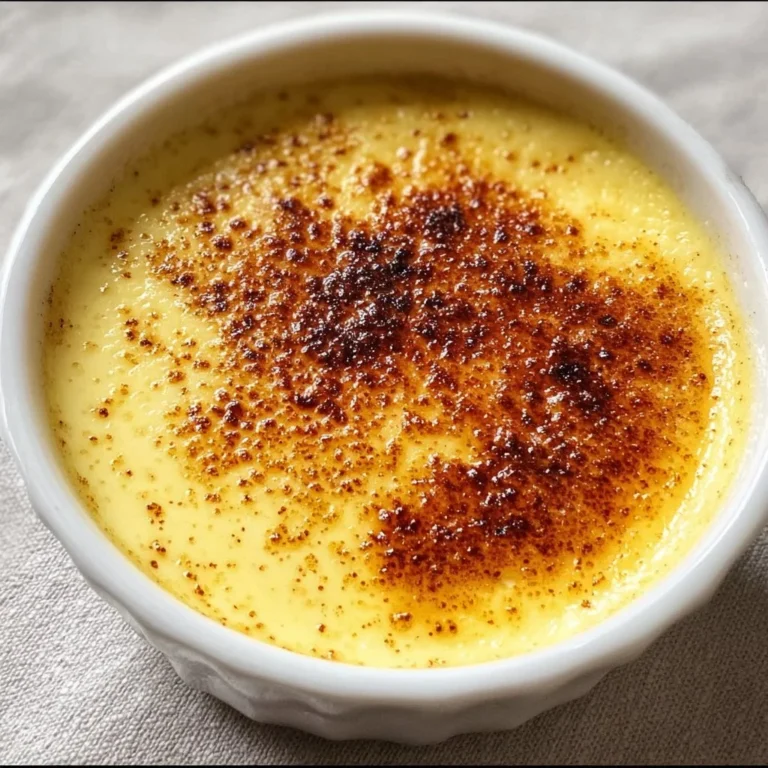
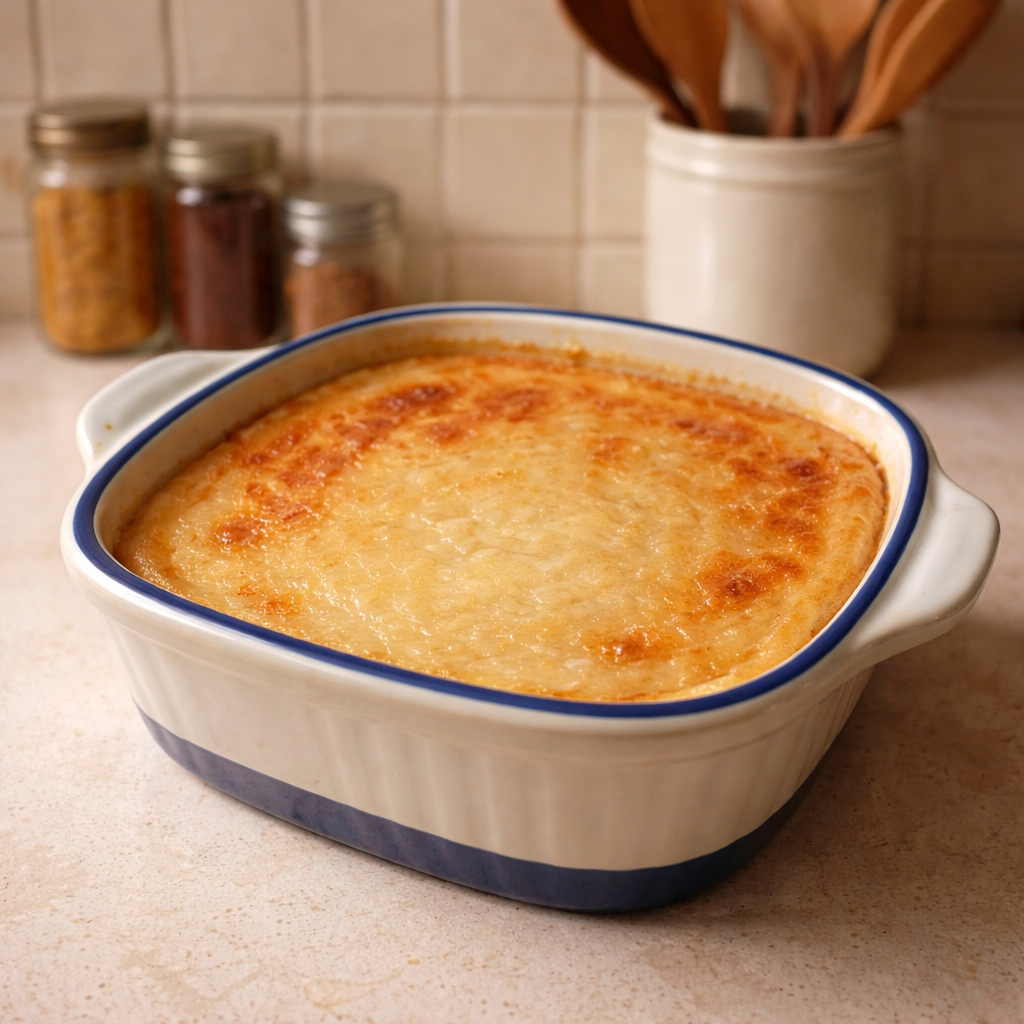
How to Make Thai Coconut Custard: A Simple Step-by-Step Recipe
While we have provided a jump to recipe button, please note that if you scroll straight to the recipe card, you may miss helpful details about ingredients, step-by-step tips, answers to common questions and a lot more informations that can help your recipe turn out even better.
My most controversial food opinion (so far) is that custard is the superior dessert category, and this Thai Coconut Custard? Honestly should be handed out as emotional support at the DMV. It’s silky, it’s gently sweet, it’s coconutty in a way that whispers not screams, and it requires less effort than finding parking at Trader Joe’s on a Sunday. Soul food, but make it tropical.
Also, it uses like six ingredients and one baking dish, which means fewer dishes and more time to contemplate your life choices while the kitchen smells like a spa that serves dessert.
When Thai Coconut Custard Nearly Ruined Thanksgiving
Several years ago, in what historians will later refer to as “The Great Custard Debacle,” I volunteered to bring dessert to a Friendsgiving. I wanted to be that person who saunters in with a delicate, sophisticated custard, not the person who shows up with store-bought pie in a suspiciously familiar plastic clamshell.
I tried to make a fancy baked custard with, let’s just say, very optimistic confidence and absolutely zero grasp of water baths, oven hot spots, or the fact that my ancient apartment oven runs about 40 degrees too hot. The result? Scrambled eggs. In a pie dish. On Thanksgiving. Everyone was politely chewing while I mentally packed my bags to move to a different city under a new name.
So when I first tasted real Thai coconut custard at a tiny strip-mall restaurant, it was like the universe was offering me a redo. It was smooth, humble, not trying too hard, just… quietly perfect. The kind of dessert that doesn’t crack on top to shame you. From that moment, I swore that my next custard would be simple, gentle, and nearly impossible to mess up. This is that custard.
Okay, back from trauma, let’s talk custard
Anyway, before I spiral into full dessert therapy, let’s talk about this Thai Coconut Custard and why you’re about to put it into your regular rotation like that one sweatshirt you pretend is “loungewear” but actually live in.
This version is baked, lightly sweet, and beautifully creamy thanks to coconut milk and eggs, with rice flour to help it set without turning into rubber. Palm sugar brings this deep, almost caramel warmth that makes it taste like you added way more effort than you did. If you’re the type who bookmarked that insanely detailed soufflé recipe and then never made it, this is your redemption arc.
Also, if you’re already obsessed with easy comfort desserts like this creamy rice-based classic, this custard is absolutely your next move.
Gather your cast of characters (ingredients)
Here’s all you need:
- 1 cup coconut milk (full-fat, please; we are not here for watery sadness)
- 1/2 cup palm sugar, finely chopped or grated
- 2 large eggs
- 1/4 cup rice flour
- 1 teaspoon vanilla extract
- Pinch of salt
A few chaotic ingredient opinions, if I may:
- Coconut milk: Get the full-fat canned kind, not the “light” stuff and definitely not the carton from the fridge section. Check the label—coconut and water, maybe guar gum, that’s it.
- Palm sugar: If you can’t find it, you can sub brown sugar and it’ll still be delicious, just slightly different. But palm sugar has this deep toasty vibe that feels extra-special.
- Rice flour: This keeps it gluten-free and tender. Don’t swap in almond flour unless you want a weird, grainy coconut omelet. I have tried. Regrets were had.
- Vanilla: Real extract, not imitation, if you can. But use what you have—this is a judgment-light zone.

Cooking Unit Converter:
If your brain short-circuits anytime a recipe switches between cups and grams, this handy converter will keep your custard (and sanity) intact.
Exactly how to not mess this up (technique breakdown)
Preheat your oven to 350°F (175°C).
Turn it on first so it has time to actually reach the right temperature (looking at you, “I’ll just throw it in now, it’ll be fine” energy). If your oven is chaotic like mine, consider an oven thermometer. Or just accept that you live in a lawless land of guesswork.Whisk the coconut milk, palm sugar, and eggs.
In a mixing bowl, whisk together the coconut milk, palm sugar, and eggs until well combined. The palm sugar might be a little stubborn—keep whisking until it mostly dissolves. Tiny bits are fine; they’ll melt in the oven and give you dreamy caramel specks.Add rice flour, vanilla, and salt.
Sprinkle in the 1/4 cup rice flour, the vanilla extract, and a pinch of salt, then whisk until the mixture is smooth—no big lumps. This is the part where I used to rush and then wonder why my custard had surprise flour chunks. Take 30 extra seconds. Your future self will be thrilled.Grease your baking dish and pour.
Lightly grease a small baking dish or a few ramekins (butter, neutral oil, or coconut oil all work). Pour in the mixture and tap the dish gently on the counter to release any big air bubbles. This is optional, but oddly satisfying.Bake until just set.
Bake for 25–30 minutes, or until the custard is set and a knife inserted in the center comes out mostly clean. A tiny wobble is good; dramatic sloshing is not. Overbaking is how custard gets that weird sponge texture—do not ask how many times I’ve learned this the hard way.Cool slightly, then serve warm or chilled.
Let it cool for at least 10–15 minutes so it can finish setting. Warm, it’s cozy and soft. Chilled, it’s firmer and more sliceable. Both are correct life choices. Enjoy your Thai Coconut Custard warm or chilled, ideally with someone who appreciates the quiet elegance of a good egg-based dessert.

Why this little custard means more than dessert
Food, for me, is how I reboot my brain. When life feels like 47 browser tabs open at once, whisking coconut milk and eggs into something smooth and glossy feels like proof that I can take chaos and turn it into comfort.
This custard especially hits that nostalgia button—simple ingredients, gentle sweetness, nothing fussy. It reminds me of Midwestern potlucks where every table had at least one “mystery custard” in a Pyrex dish, but this one also carries that beautiful Thai coconut-and-palm-sugar magic. It’s like a hug from two different food traditions at once, and honestly, that feels like home.
A tiny story about breakfast rebellion
One morning, I ate this custard cold straight from the fridge for breakfast with some sliced mango on top, and my brain went, “Is this legal?” It felt vaguely like eating flan in secret at 8 a.m. I was supposed to have oatmeal. Responsible, fiber-rich oatmeal. Instead, I had coconut custard and coffee and absolutely no regrets.
It’s now my “I refuse to have a bad Monday” breakfast, right up there with that indulgent treat I found while browsing this decadent dessert inspiration. Balance, right?
Frequently Asked Questions:
Yes, you absolutely can—use brown sugar if you have it, white sugar if you must. Palm sugar just gives this deep, toasty flavor, but your custard will not self-destruct without it.
It’s already dairy-free, surprise! Just make sure your coconut milk is the canned, full-fat kind and not some watery “beach body” version.
I mean… yes. It helps the custard set gently. If you skip it, it’ll be looser and more eggy. Cornstarch can work in a pinch, but rice flour gives a softer, more authentic texture.
Totally. Bake it the night before, chill it, then either serve cold or let it sit out to lose the fridge chill. I’ve pulled this move for a chaotic potluck where someone forgot the main dish, and honestly, no one was mad about extra dessert.
Yes, and this is where you get to be dramatic. Toasted coconut, fresh mango, sliced banana, or a drizzle from something like this caramelly dessert upgrade
If you’ve read this far, you are either already preheating your oven or you’re just here for the chaos, and honestly, both paths are valid. This Thai Coconut Custard is the opposite of fussy: six ingredients, one bowl, one bake, and suddenly you’re the person who “just whipped up a custard” on a weeknight like that’s normal behavior.
I could keep rambling about its silky little personality, but at some point I have to let you go live your life and make it. So: grab the coconut milk, whisk the things, bake the thing, and let this custard be your tiny, tropical, spoonable victory.
Daily Calorie Needs Calculator:
If you’re curious how this dreamy custard fits into your overall day, this calculator can help you estimate your daily calorie needs.
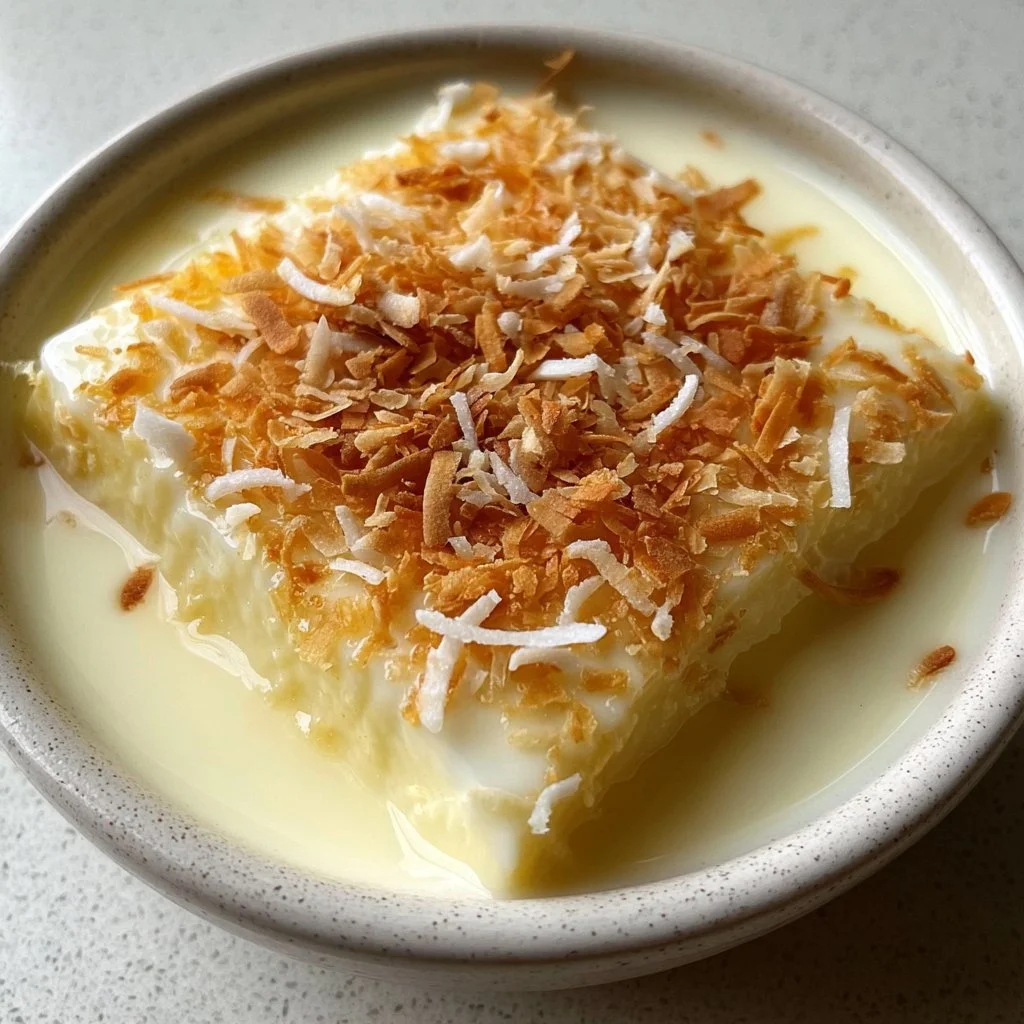
Thai Coconut Custard
Ingredients
Method
- Preheat your oven to 350°F (175°C).
- In a mixing bowl, whisk together the coconut milk, palm sugar, and eggs until well combined.
- Sprinkle in the rice flour, vanilla extract, and salt, then whisk until the mixture is smooth.
- Lightly grease a small baking dish or ramekins. Pour in the mixture and tap the dish gently on the counter.
- Bake for 25-30 minutes, or until the custard is set and a knife inserted comes out mostly clean.
- Let it cool for at least 10-15 minutes before serving warm or chilled.