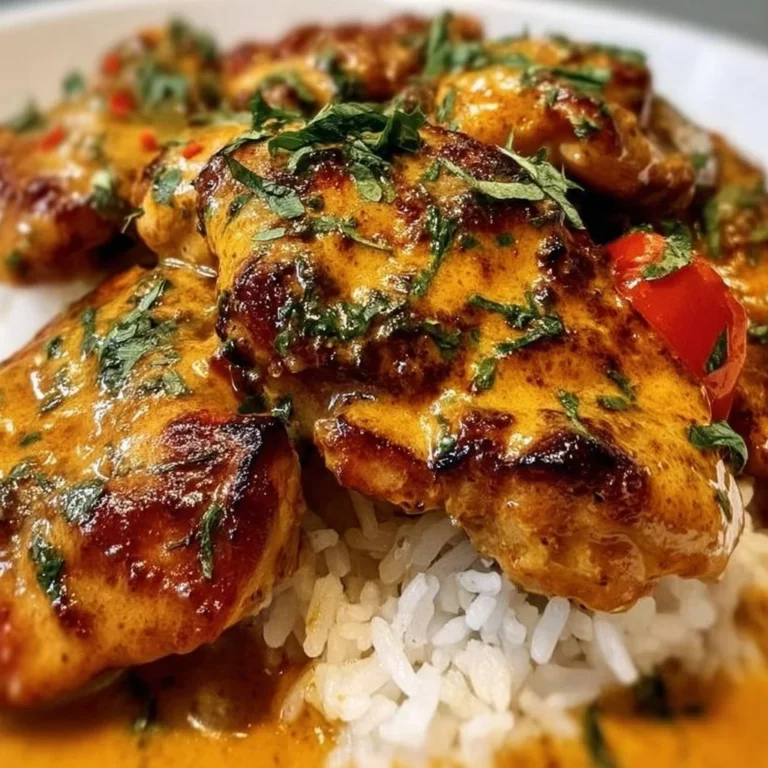
Korean Beef Bulgogi Recipe

While we have provided a jump to recipe button, please note that if you scroll straight to the recipe card, you may miss helpful details about ingredients, step-by-step tips, answers to common questions and a lot more informations that can help your recipe turn out even better.
My strongest belief in the universe — besides the sacredness of butter and the moral obligation to always have extra napkins — is that Korean beef bulgogi should be hugged, applauded, and possibly have a tiny parade thrown in its honor. Dramatic? Yes. Accurate? Also yes.
The time I set Thanksgiving on fire (and other kitchen sins)
I once attempted to impress my in-laws with a “fancy” Korean-themed Thanksgiving because why not mash cultural mashups like I mash potatoes — enthusiastically and with little planning. Long story short: there was smoke, there were tears, and the gravy tasted suspiciously like regret. My ribeye looked at me and said, “We deserved better.” (Also, Trader Joe’s did not appreciate my midnight calls about caramelized onions. Sorry, TJ’s. Love you.) If you want proof that I can both burn and redeem a meal, keep reading — redemption is delicious.
I made many mistakes that day: slicing meat against the grain? Check. Marinating for 30 seconds and then wondering why it tasted like sadness? Double check. But that disaster birthed this recipe — a version that’s forgiving, flashy, and understands that sometimes you only have one skillet and two left hands.
Okay, back to bulgogi (before I spiral into a grocery-store memoir)
ANYWAY, before I emotionally relive the entire event and start a pillow fort in the corner, here’s the thing: bulgogi is a miracle of sweet, savory, and slightly smoky caramelization that even my skeptical neighbor (the guy who brings store-brand chips to potlucks) applauds. If you’re tempted by richer cuts or short ribs for a ritual-level dinner, I once did a riff that leaned heavy and glorious — see this beef back ribs recipe for inspiration and disbelief.
Everything you’ll need (and my hot takes on shopping)
- 1.5 lbs ribeye or sirloin steak, thinly sliced against the grain
- 6 tbsp soy sauce
- 3 tbsp brown sugar
- 2 tbsp sesame oil
- 4 cloves garlic, minced
- 1 tbsp fresh ginger, grated
- 1/2 Asian pear or red apple, grated
- 1 tbsp gochujang (optional, for spice)
- 1/4 tsp black pepper
- 2 tbsp finely chopped green onions
- 1 tsp toasted sesame seeds
- 1 tbsp neutral oil (for cooking)
- 1 small onion, thinly sliced
- 1 carrot, julienned
- 1 cup mushrooms (shiitake or white button), sliced
- 2 tbsp honey butter (1 tbsp melted butter + 1 tbsp honey, mixed)
- Cooked rice, for serving
- Lettuce leaves or perilla leaves, for wrapping
- Extra sesame seeds and sliced green onions, for garnish
Mini-rant: buy good soy sauce — no one wins with the watery impostor brands. Trader Joe’s sirloin is a delightful win if you’re on the West Coast; Aldi has steals if you’re trying to feed a small army. For a decadence flex, I sometimes swap ribeye for a fattier cut (not necessary, but dramatic).
Cooking Unit Converter (because math is a mood)
Quick helpful line: convert easily between tablespoons and grams if you’re the kind of person who likes precision (I salute you).
Technique: how I learned to stop worrying and love the sear
I will not structure this like a sterile lab protocol because I am not sterile and you are not a robot (unless you are, in which case hello, kindly processor). Here’s what I learned the hard way: don’t overcrowd the pan — we are coaxing caramel, not steaming sadness. Get your pan screaming hot (a grill pan or cast iron is ideal) so the brown sugar and soy can do their sultry tango and not just sit around becoming sad syrup.
- Heat a grill pan or cast iron skillet over medium-high heat and add 1 tbsp oil.
- Add the marinated beef in batches to avoid overcrowding. Cook for 2–3 minutes per side until caramelized.
- Just before the beef finishes cooking, drizzle with the honey butter to enhance the caramelization. Toss quickly to coat.
- Remove from the pan and set aside.
Also: toss in the onions and mushrooms in the fat left behind for minute-long bliss; they will soak up every whisper of flavor. If you over-marinated once like me (it got mushy; I cried), shorten the time next round. Sensory note: listen for the sizzle, watch for the amber edges, inhale like you’re in a rom-com montage.
Why this matters more than it should
Cooking for me is how I hold people. It’s nostalgia (my grandma sneaking sweet soy on roast), it’s identity (I am the friend who shows up with way too many condiments), it’s the sort of tradition that doesn’t need a rulebook — only a beating heart and a stubborn willingness to stir. Food is the language in which I say “I love you” without the risk of sounding dramatic (too late).
A tiny, ridiculous anecdote (because brevity is spicy)
Once I wrapped bulgogi in lettuce and tried to eat it with chopstick-shaped tongs and looked like an overenthusiastic raccoon. My date laughed, I laughed, the lettuce wilted, but the flavor stayed immortal. Win.
Frequently Asked Questions (chaotic but truthful)
Sure, but I will look at you with gentle judgment while also understanding budget realities — brown it well, season boldly, and maybe add a splash of sesame oil to fake that caramel feel.
Aim for 30 minutes to 2 hours for a quick flavor boost; overnight if you’re planning ahead. Longer than that and texture gets weird, which — learned that one the dramatic way.
Nope. It adds heat and umami. If you’re spice-phobic, omit it and add a pinch of chili flakes later. I won’t judge, much. Slight smirk, though.
Absolutely. Marinate the meat the night before, keep veggies separate, and sear at party time for maximum applause and minimum sweating into your shirt.
Rice is your soulmate here — mound it, pile bulgogi, and pretend it’s a hug in a bowl. Works every time.
Okay, I’ll stop monologuing like a one-woman cooking show. Make the bulgogi, invite people you like (or like admiring you), put on music, and if something goes sideways, call it “avant-garde” and serve more rice. Trust me.
Daily Calorie Needs Calculator (because numbers are annoying but useful)
Estimate your daily needs so you can plan seconds (and thirds) responsibly.
P.S. If you’re also that person who thinks pancakes and bulgogi are a vibe (I know you), consider recovering from any breakfast disasters with this delightful pancake recipe — because we all deserve a redo. Also, if you’re dreaming of something richer, peek at this boneless beef short ribs recipe for unapologetic indulgence.
Korean Beef Bulgogi
Ingredients
Method
- Combine the sliced beef, soy sauce, brown sugar, sesame oil, garlic, ginger, grated pear or apple, gochujang, and black pepper in a bowl. Mix well and marinate for at least 30 minutes.
- Heat a grill pan or cast iron skillet over medium-high heat and add 1 tablespoon of the neutral oil.
- Add the marinated beef in batches to avoid overcrowding the pan. Cook for 2–3 minutes per side until nicely caramelized.
- Just before the beef finishes cooking, drizzle with the honey butter and toss quickly to coat.
- Remove the beef from the pan and set aside.
- In the same pan, add the sliced onions and mushrooms. Sauté for about one minute until they soften and soak up the flavors from the pan.
- Serve the bulgogi with cooked rice and vegetable wraps. Garnish with extra sesame seeds and sliced green onions.